

 My Starred Hymns
 My FlexScores
 My Hymnals
 My Purchased Files

A Church Hymn Book #221
Display Title: Lord, in thy name thy servants plead First Line: Lord, in thy name thy servants plead Meter: C. M. Date: 1861
A Church Hymn Book #221

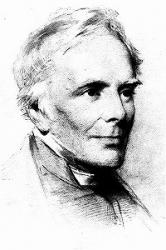 Keble, John, M.A., was born at Fairford, in Gloucestershire, on St. Mark's Day, 1792. His father was Vicar of Coln St. Aldwin's, about three miles distant, but lived at Fairford in a house of his own, where he educated entirely his two sons, John and Thomas, up to the time of their entrance at Oxford. In 1806 John Keble won a Scholarship at Corpus Christi College, and in 1810 a Double First Class, a distinction which up to that time had been gained by no one except Sir Robert Peel. In 1811 he was elected a Fellow of Oriel, a very great honour, especially for a boy under 19 years of age; and in 1811 he won the University Prizes both for the English and Latin Essays. It is somewhat remarkable that amid this brilliantly successful career,… Go to person page >


