

 My Starred Hymns
 My FlexScores
 My Hymnals
 My Purchased Files




Hinário Luterano #379a
Display Title: Vem, Jesus, suprema fonte First Line: Vem, Jesus, suprema fonte Tune Title: REX GLORIAE Author: Robert Robinson; Rodolpho F. Hasse Date: 2016 Subject: Fé e Justificação |
Hinário Luterano #379a
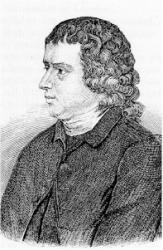 Robert Robinson was born at Swaffham, Norfolk, in 1735. In 1749, he was apprenticed to a hairdresser, in Crutched Friars, London. Hearing a discourse preached by Whitefield on "The Wrath to Come," in 1752, he was deeply impressed, and after a period of much disquietude, he gave himself to a religious life. His own peculiar account of this change of life is as follows:--"Robertus Michaelis Marineque Robinson filius. Natus Swaffhami, comitatu Norfolciae, Saturni die Sept. 27, 1735. Renatus Sabbati die, Maii 24, 1752, per predicationem potentem Georgii Whitefield. Et gustatis doloribus renovationis duos annos mensesque septem, absolutionem plenam gratuitamque, per sanguinem pretiosum i secula seculorum. Amen." He soon after began to pr… Go to person page >