

 My Starred Hymns
 My FlexScores
 My Hymnals
 My Purchased Files
Louvor e Adoração #69
Display Title: Luz Para Os Meus Pés First Line: Para os meus pés fonte és de luz Tune Title: [Para os meus pés fonte és de luz] Author: Bernard D. Barton; Humberto P. Ferreira Date: 1982
Louvor e Adoração #69
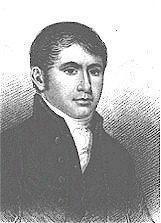 Barton, Bernard, commonly known as the "Quaker Poet," was born in London Jan. 31, 1784, and educated at a Quaker school at Ipswich. In 1798 he was apprenticed to Mr. S. Jesup, a shopkeeper at Halstead, Essex, with whom he remained until 1806, when he removed to Woodbridge, Suffolk, and entered into business with his brother, as a coal and corn merchant. On the death of his wife at the end of the first year of their married life, he proceeded to Liverpool, where he acted as a private tutor for a short time. He returned to Woodbridge in 1810, where he secured an engagement in the local bank of the Messrs. Alexander. This appointment he held for 40 years. He died at Woodbridge, Feb. 19, 1849. During the same year his daughter published his Poe… Go to person page >