

 My Starred Hymns
 My FlexScores
 My Hymnals
 My Purchased Files


The Psalms of Life #516
Display Title: He is a freeman, whom the truth makes free First Line: He is a freeman, whom the truth makes free Author: Cowper Date: 1857
The Psalms of Life #516
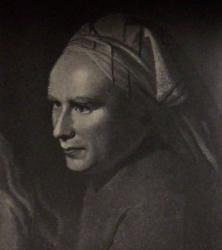 William Cowper (pronounced "Cooper"; b. Berkampstead, Hertfordshire, England, 1731; d. East Dereham, Norfolk, England, 1800) is regarded as one of the best early Romantic poets. To biographers he is also known as "mad Cowper." His literary talents produced some of the finest English hymn texts, but his chronic depression accounts for the somber tone of many of those texts. Educated to become an attorney, Cowper was called to the bar in 1754 but never practiced law. In 1763 he had the opportunity to become a clerk for the House of Lords, but the dread of the required public examination triggered his tendency to depression, and he attempted suicide. His subsequent hospitalization and friendship with Morley and Mary Unwin provided emotional st… Go to person page >


