Scripture References:
st. 2 = Mark 4:28
st. 3 = Matt. 13:41-43
st. 4 = Rev. 22:20
Henry Alford (b. London, England, 1810; d. Canterbury, England, 1871) wrote this text and published it in seven stanzas in his Psalms and Hymns (1844). He revised and shortened it for publication in his Poetical Works (1865) and made final changes for his Year of Praise (1867). The latter version is the source of the further revised Psalter Hymnal text.
Written for village harvest festivals in England, the text uses imagery found in two gospel parables: the growing seed (Mark 4:26-29) and the wheat and the weeds (Matt. 13:24-30, 36-43). However, the initial agricultural harvest theme becomes an eschatological metaphor for the final judgment when the angels will gather God's chosen people into the "glorious harvest home" and cast the evil "weeds" into the "fire." Thus the text provocatively combines language and imagery that represent annual harvests as well as the ultimate consummation of history.
Alford was born into a family of clergy. He received his education at Trinity College, Cambridge, England, and was ordained in the Church of England in 1833. He became dean of Canterbury Cathedral in 1857, a position he held until his death. A renowned scholar, Alford wrote a four-volume commentary on the Greek New Testament, which became a standard work in its field. He was also a voluminous poet and hymn writer and published Poetical Works (2 vols, 1845) and Hymns for the Sundays and Festivals Throughout the Year (1836).
Liturgical Use:
Best suited for services that focus on the task or mission of the church in the world; associated in popular thought with harvest thanksgiving services, its use on such occasions merits some comment about the meaning of the harvest metaphor. Also use or Pentecost season; worship that focuses on Christ's second coming.
--Psalter Hymnal Handbook, 1987
=================
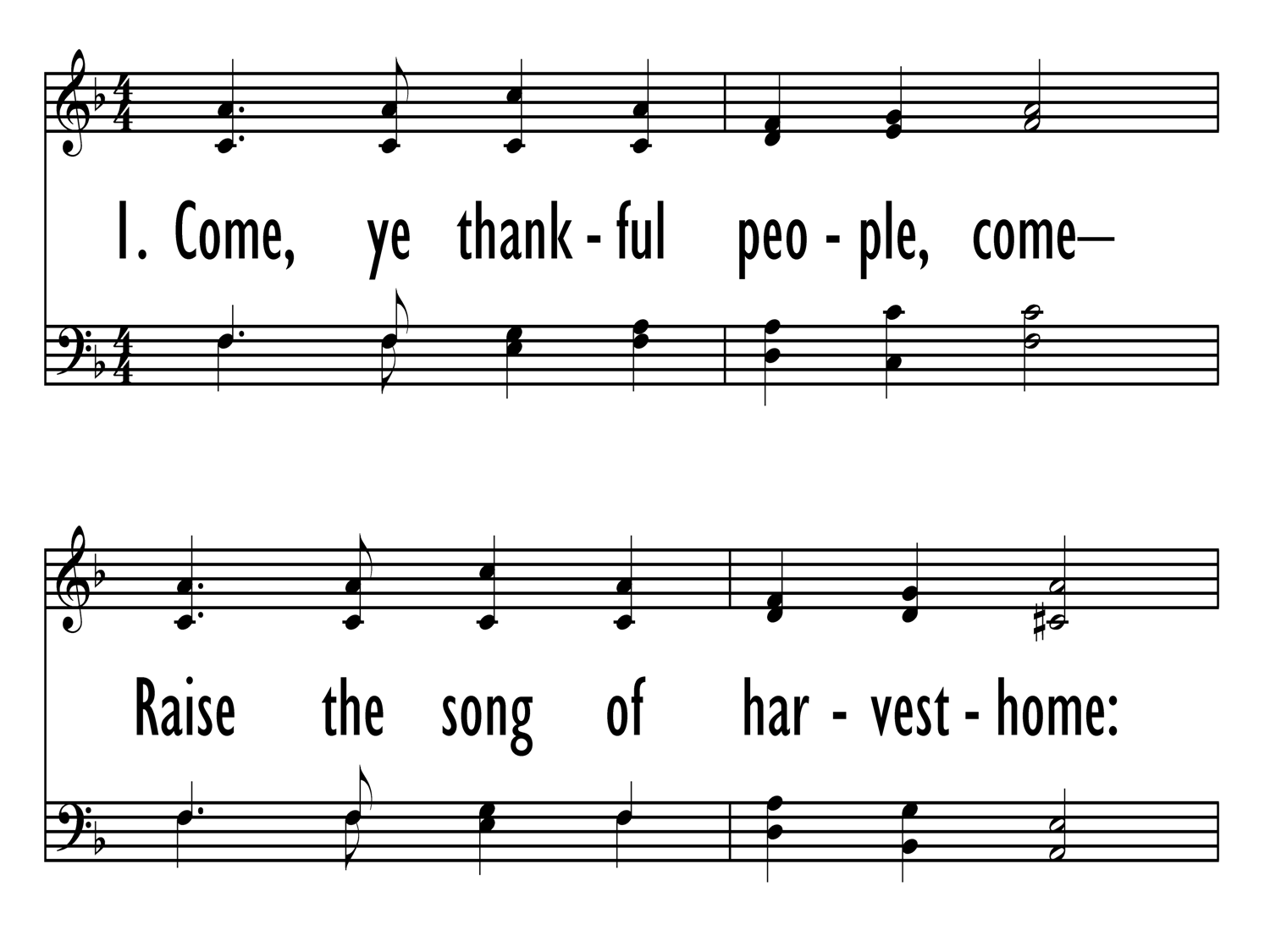
Come, ye thankful people, come. H. Alford. [Harvest.] First published in his Psalms and Hymns, 1844, No. 116, and subsequently, after revision, in his Poetical Works, 1865, and his Year of Praise, 1867, in 7 stanzas of 8 lines. In 1861 the compilers of Hymns Ancient & Modern included an altered version in that Collection. This was repudiated by tho author, but still retained by the compilers of Hymns Ancient & Modern, with an explanatory note in the Preface in some of the subsequent editions. The revised text in Alford's Poetical Works, 1865, is the authorized text, and that usually given in modern hymnals. This hymn has attained a greater popularity and more extensive use, both in Great Britain and America, than any other of the author's hymns.
--John Julian, Dictionary of Hymnology (1907)
Hymnary Pro Subscribers
Access
an additional article
on the Canterbury Dictionary of Hymnology:
Hymnary Pro subscribers have full access to the Canterbury Dictionary of Hymnology.
Get Hymnary Pro
Redirecting to the Canterbury Dictionary of Hymnology


 My Starred Hymns
 My Hymnals
 My Purchased Files



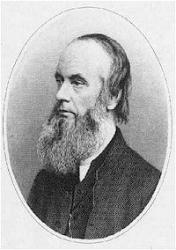 Alford, Henry, D.D., son of the Rev. Henry Alford, Rector of Aston Sandford, b. at 25 Alfred Place, Bedford Row, London, Oct. 7, 1810, and educated at Trinity College, Cambridge, graduating in honours, in 1832. In 1833 he was ordained to the Curacy of Ampton. Subsequently he held the Vicarage of Wymeswold, 1835-1853,--the Incumbency of Quebec Chapel, London, 1853-1857; and the Deanery of Canterbury, 1857 to his death, which took. place at Canterbury, Jan. 12, 1871. In addition he held several important appointments, including that of a Fellow of Trinity, and the Hulsean Lectureship, 1841-2. His literary labours extended to every department of literature, but his noblest undertaking was his edition of the Greek Testament, the result… Go to person page >